
Agency: Federal Highway Administration, U.S. Department of Transportation
Docket No. FHWA-2021-0022
Jan. 14, 2022
I am a new EV owner, and instead of merely joining the chorus of complainers about the lack of charging stations, I’m trying to help my city of Lexington, Va., take action. The planning director, Arne Glaeser, tells me that the city owns space for charging stations near the center of our small town with the electrical infrastructure needed and room for about 7 or 8 parking slots. In the past, money the city hoped to get for EV charging stations from the VW settlement was blocked by an indemnification problem. Now, the city hopes to get federal dollars from the Bipartisan Infrastructure Bill.
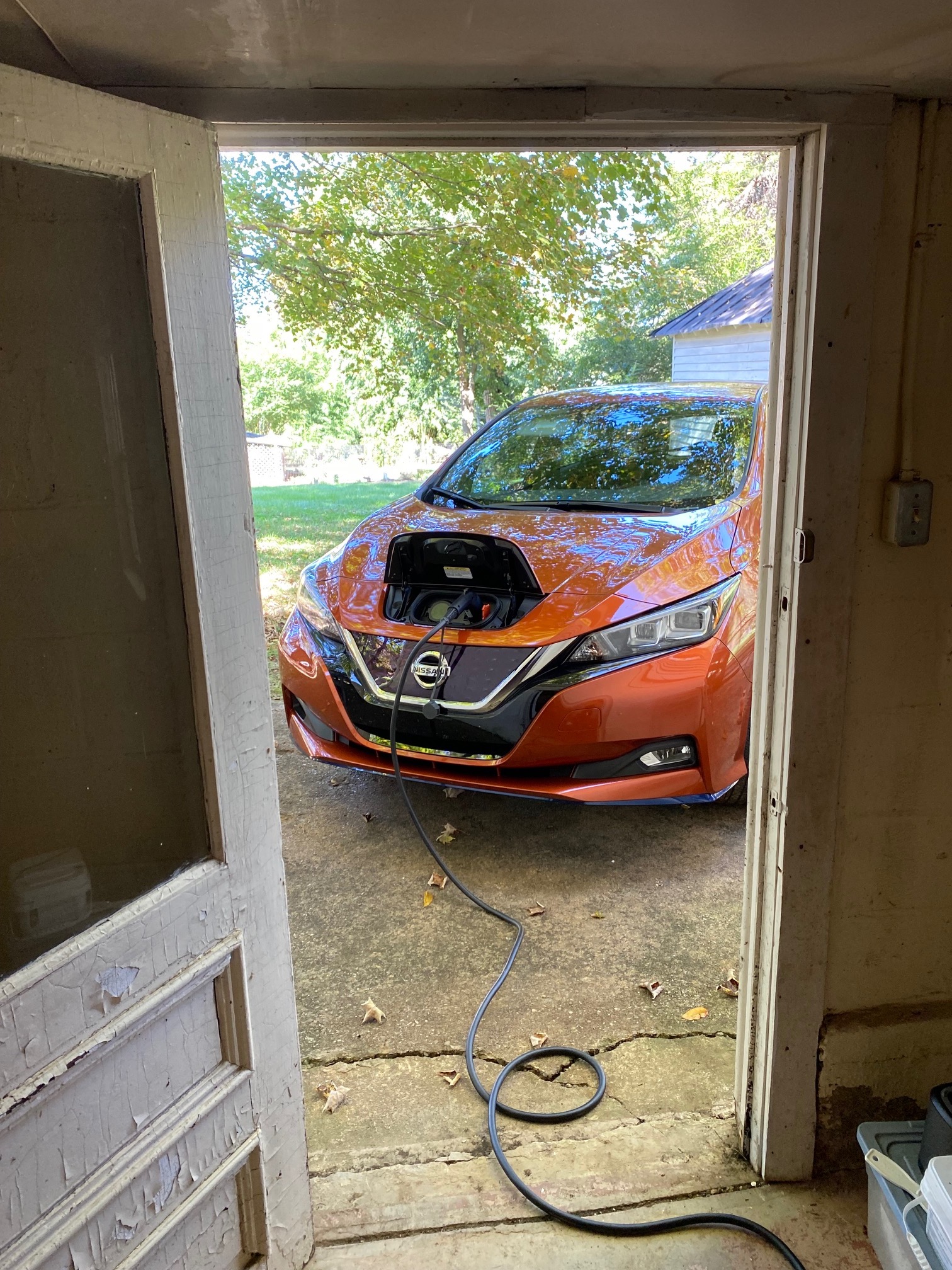
But how long will this take? Please move with dispatch to get this money moving down to the local level. The epic project of decarbonizing our economy and lifestyle, surely, requires as much hurry as the bipartisan billions that Congress sent out to everybody during the pandemic.
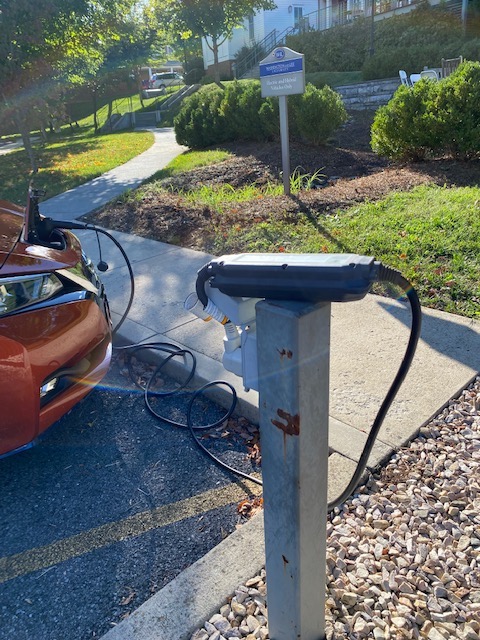
I drove our new Nissan Leaf from Georgia (where I bought it) to Lexington in October. I used four charging stations (each location benefiting from my hanging around and spending money, something Lexington could use as a well-located charming tourist town). But once I got home, I discovered that the house I rent has wiring too old to charge the Leaf. I searched for days for a charging station. Two local hotels restrict theirs to guests. A half dozen Tesla charging stations are not compatible (and Tesla’s promise to make an adapter remains unfulfilled). Eventually, I found a Level 2 (220 AC) charging station at a Walmart in an adjacent county — wasting the time and money that EVs should be saving an owner.
I drove the car back to Atlanta and left it there with my brother-in-law in exchange for his non-plug-in hybrid Prius.
I wrote my congressman, Ben Cline, about this problem, but he merely sent back a form letter about his “all of the above” energy policy that ignored the problem I described.
Charging stations, where we live, need to come online rapidly. The money is there. The popular will and demand is there. Let this not take the rest of the year. Thank you.


 Docs and musings