
Like her hero Niccolò Machiavelli, Carol Darr delights in turning conventional (and Catholic) wisdom on its head. So in one chapter of her book Machiavelli 4 Everybody, being published next week, she describes five traditional virtues as “deadly” for a leader.
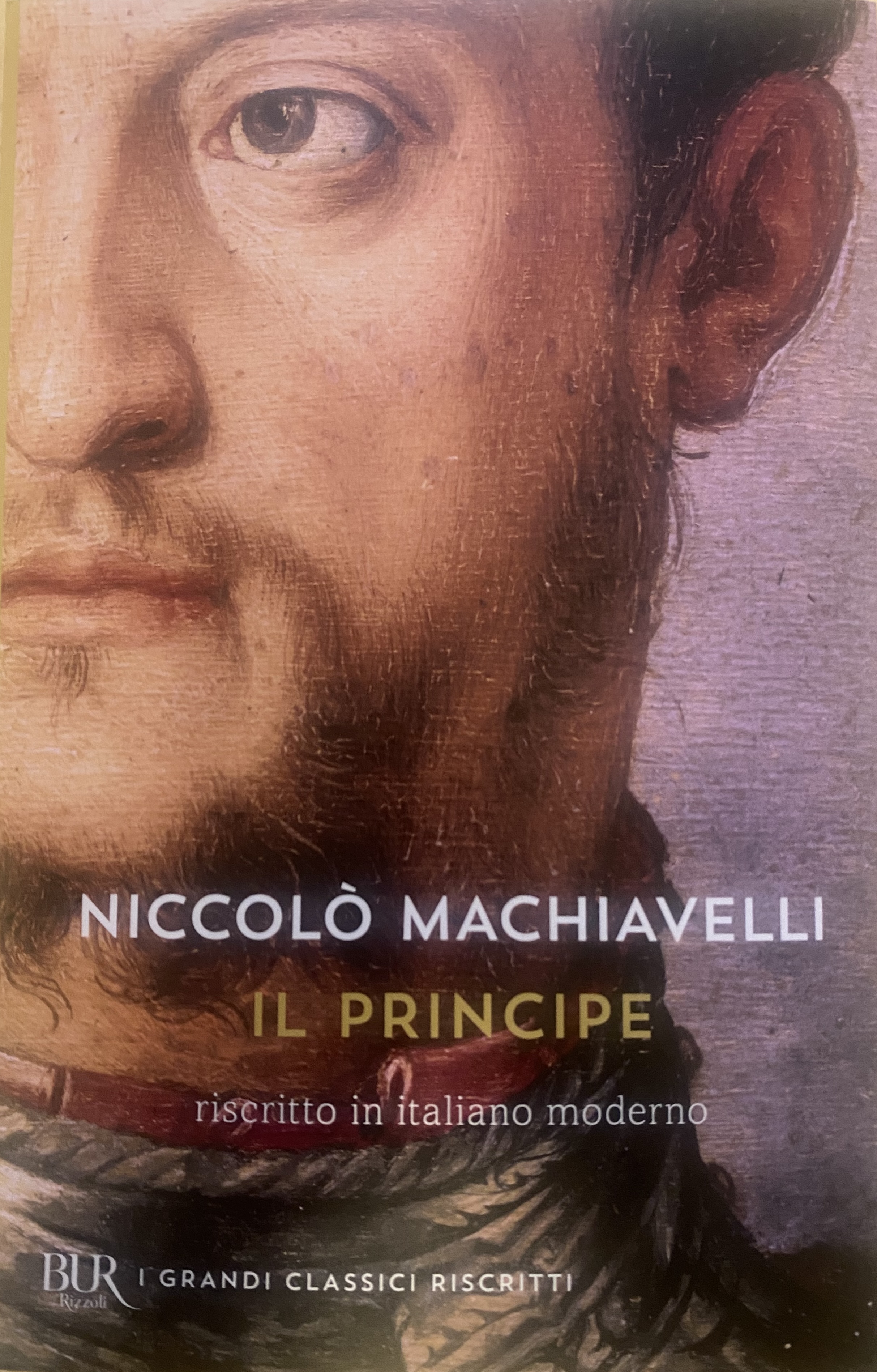
Narrating the book as if she were Machiavelli, Carol writes with charm and authority. She has had a long career of studying the Renaissance political philosopher, as well as working for Democratic candidates and administrations.
I am using her chapter on “The Five Deadly Virtues” to reflect on whether Donald Trump is truly Machiavellian. He seems so on the surface, but what would old Niccolò say?
Does Trump embody Machiavelli’s twisted logic for a strong leader – or is he following his own twisted impulses instead?
Authenticity – Machiavelli emphasized the importance of hypocrisy – appearing good and honest as a cover for effective badness, “the art of artlessness.” Trump rarely tries to appear “good,” in any conventional sense. He benefits instead from appearing bad – mean, domineering, selfish – and thereby getting credit for “transparency” and honesty (and in our TV culture, great entertainment!). He says what he thinks (if it can be called “thinking”). Getting indicted and convicted in court only seems to enhance his appeal.
So Trump is bad at hypocrisy as an art form. Not Machiavellian at all.
Honesty – Here, the trouble is that Trump is too “honest” about what he thinks, sputtering it late into the night on “Truth Social.” But this “honesty” is chaotic, impulsive and useless. It’s not artfully woven into useful lies as Machiavelli advises. “A prudent ruler does not keep his word,” Niccolò says in Darr’s book, “when it works against himself and reasons that made him promise are annulled.”
Promises made by Trump are pretty useless in the first place, so there’s no value in not “keeping his word.”
Piety – “You may be surprised to learn that of all the so-called conventional virtues, I consider the appearance of being religious the most important,” says Darr’s Machiavelli. “Seriously.”
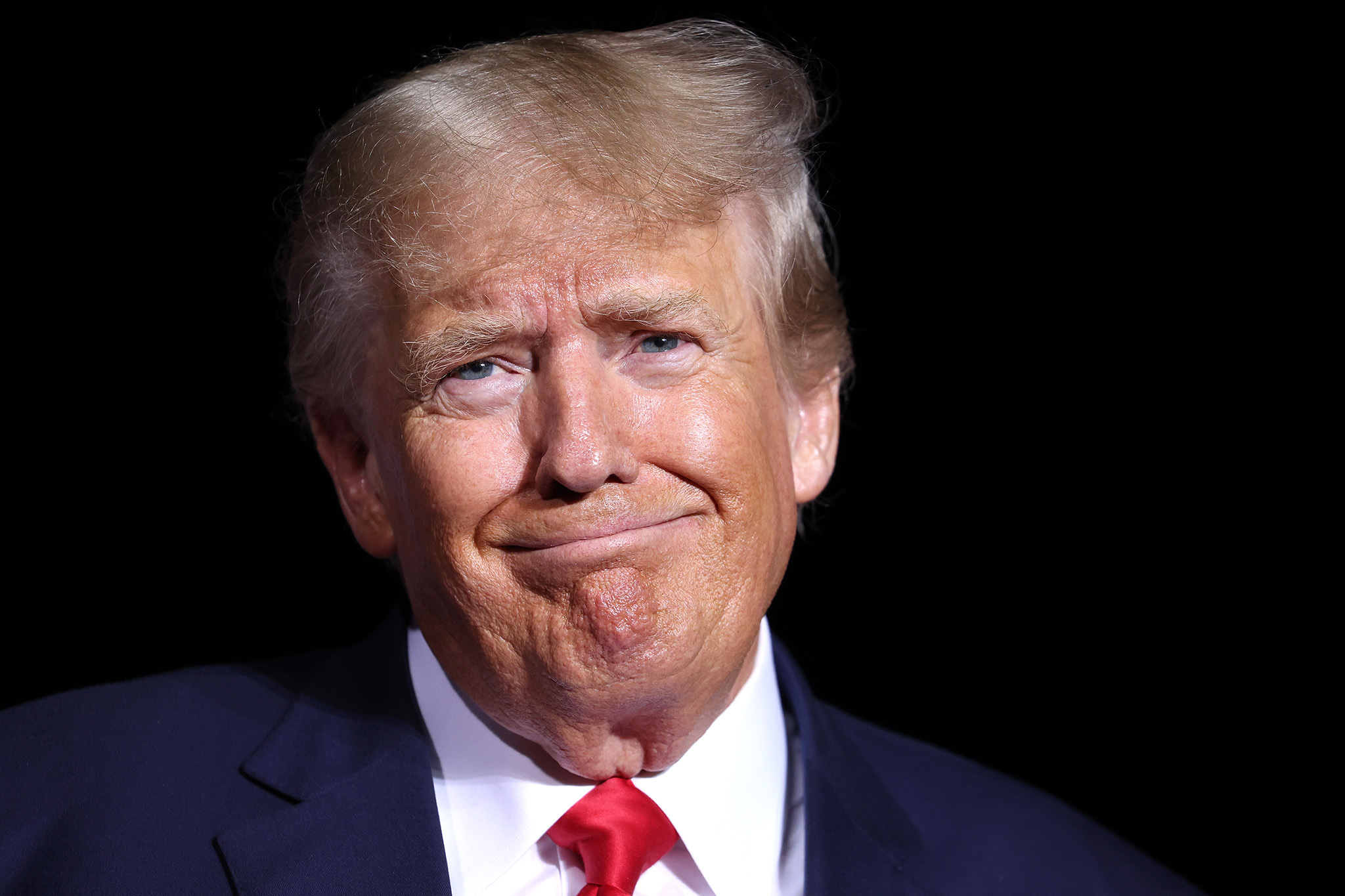
Trump may try to appear religious at times, saying “God” and holding up a Bible for a photo-op. But in my opinion, anyone who thinks Trump has an ounce of religious faith or devotion must have their eyes closed in constant prayer of wishful thinking. Even devout Christians who support or voted for Trump, I believe, cast him as a bad man inadvertently doing God’s will. Machiavelli understood that piety well-played by a leader supports religion among his people, and that “the social and moral restraints” that religion imposes are more effective than those imposed by the law.
Trump’s favorite book is not the Bible, as he claims, but is Norman Vincent Peale’s best-selling 1952 book, “The Power of Positive Thinking.” As far as that goes, I agree with a quip from Adlai Stevenson (the unsuccessful Democratic candidate for President in 1952 and ’56) comparing that book to the New Testament’s epistles: “I find Paul (the apostle) appealing, but I find Peale appalling.”
Generosity – Machiavelli recommends frugality for a prince. If you give away your own wealth for popularity, you’ll lose the wealth, and your popularity. On the other hand, if you spend other people’s money lavishly, the people will consider it robbery. And if you live in luxury, you are merely displaying the problem with such “generosity” and building resentment.
None of this fits Trump, who famously donates other people’s money (in his own name), drains the public treasury, extorts money from foreign governments and lives amid the most garish luxury known since the Court of Louis XIV.
“As you struggle to keep up your charitable reputation,” Darr’s Machiavelli writes, “your lavish expenditures will subject you to a double whammy – contempt for having dissipated your wealth, and hatred for having put the squeeze on everyone you know.”
Kindness – “The cruel truth: If you are unfailingly kind, you will find that people will presume too much on your goodwill and will not obey you.”
Now this element seems to fit Trump. Is it better to be loved or feared? Sia meglio essere amato che temuto? Feared, Machiavelli says in Chapter 17 of “The Prince.” Trump does seem to use fear effectively, at least among his so-called friends.
The proof: Just look at the feeble Republicans in Congress today. In the realm of power politics, fear works better than love.
But in a democracy, there’s another fear – fear of the voters. That’s a check on elected Republicans that might trump Trump in the November elections. We’ll see.
Darr mentions a sixth “deadly virtue” that is within our conventional morality – chastity – but not necessarily good or bad for the prince’s power.
“So long as you’re careful you needn’t pay too much attention to this so-called virtue,” says the cavalier Niccolò. “I never did.”
“Before I blow it off entirely, however, I must caution you about seducing the spouses or partners of your staff and supporters.”
You may be horrified by Machiavelli’s advice. But it is well thought out, and it values outcome for the state, not just for the prince. It is a kind of pragmatism for the safety and unity of his people. This is an important difference between him and Trump.
Machiavelli was smart. He described a variety of tools for winning, not just the hammer blow of intimidation. He cared about what actually worked, not just relying on lucky instincts.
Machiavelli saw two pagan forces at work in politics – Fortuna, the goddess of random events, both good and bad luck, and virtù, the strength of character in a strong leader willing to fight Fortuna and throw off conventional morality when necessary for the people. No one can deny that Trump has benefited from good fortuna. But it is random, and can come to a bad end, e.g. the war in Iran.
By virtù, Machiavelli didn’t mean “virtue” in the Christian sense, obviously. But in neither the Christian nor the pagan sense does Trump ever display this quality of character.
The difference is that Machiavelli is advising a Prince on how to protect and unify his people. The ends justify the means – if it ensures the safety of his people.
“If you’ve been given this position of leadership,” Carol once explained to me, “you need to use it well.”


