
News video of protest marches had turned into scenes of burning and late-night mayhem. We avoid most of that and watch movies. The other night, it was Ben-Hur, the 2016 version that takes liberties with the 1959 Charlton Heston version that had occupied my childhood’s imagination. I had forgotten those old scenes of galley slaves and the bloody chariot race. The scene of this newer version that snagged my adult imagination was different. It was of the carpenter, drawn to help the condemned Judah Ben-Hur as he lay heaped and wounded on the dusty road under his armed Roman captors. Defying the oppressor power of the Roman Empire in a way so different from the Jewish rebellion that Ben-Hur had failed to quell, this handsome carpenter offers him a bowl of water. Ben-Hur is brought back to consciousness and a look of awe when the carpenter asks him to “do the same.”

Pacifism doesn’t work. If you’ve thought about it with a little knowledge of history and the conflicts you’ve witnessed, you know it doesn’t work. But if you’ve thought about it as much as I have, it’s because the idea won’t leave you alone. It haunts you. I can let the meanness of a bully go, and I can walk away from a fight in courage, not cowardice. But these don’t cost me anything, nor do they have the effect of that carpenter on Ben-Hur or the Roman centurions.
“The hand laid kindly upon his shoulder awoke the unfortunate Judah,” wrote Lew Wallace in the original novel – a first edition from 1880 I somehow found among our books. “. . .and, looking up, he saw a face he never forgot—the face of a boy about his own age, shaded by locks of yellowish bright chestnut hair; a face lighted by dark-blue eyes, at the time so soft, so appealing, so full of love and holy purpose, that they had all the power of command and will.” Maybe this Jesus is a bit too Anglo-Saxon, as imagined by Wallace, a former Union general of the Civil War appointed governor of the New Mexican Territory. But the effect of bringing water to the thirsty, bringing the fullness of love to a stranger, a beaten criminal, in melting defiance of the armed Civil Law – it moves me.
A vast protest movement in cities across America has been sparked by the iPhone videos of policemen killing or wounding one Black citizen after another. It’s the same thing that triggered riots in Watts, Newark, Detroit and other cities in the late 1960s, and Los Angeles in 1991. But back then, it didn’t catch the public imagination as a real problem or anything that could be solved by sustained public attention. Black folks knew about it all along. Now, finally, it seemed that almost everybody was waking up to this problem.
Actually, pacifism does work. The face that Judah Ben-Hur couldn’t forget, the power of St. Paul’s command in Romans 12 (Bless those who persecute you, bless and do not curse them) was used successfully in 1960 by thousands of black college students in Nashville. They were trained by the Fellowship of Reconciliation missionary James Lawson (who had studied Gandhian pacifism in India, and would be expelled from Vanderbilt for leading the student sit-in movement there). They marched silently, thousands of them. They went to jail willingly, singing. When arrested or cursed, they didn’t fight back. They stood as a silent force behind Diane Nash, their agreed-on spokesperson, when she asked the mayor if segregation was right or wrong. He had to answer as a man, not a politician. It’s wrong, he said. The protesters then broke their silence with a wild applause. Nashville became the first Southern city to end segregation at restaurants and soda fountains.
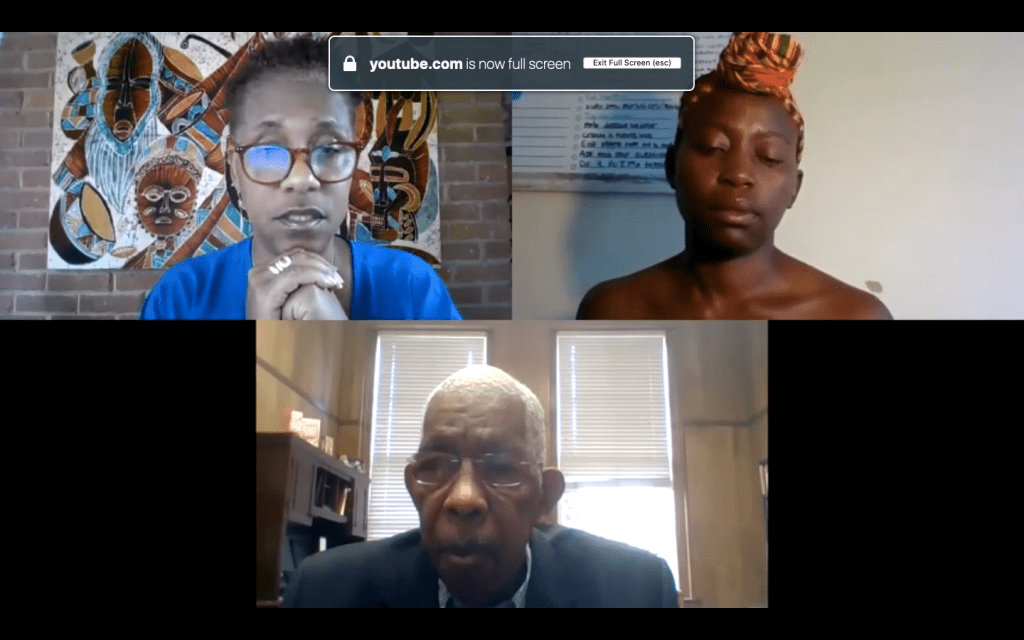
A veteran of that student movement named Ernest “Rip” Patton has some sage advice for the leaders of today’s protest movement. He recommends a form of pacifism that is practical and democratic. In fact, it is how pacifism works in a democracy, as it did in the Nashville movement.
Patton appeared last week in a live online program on the First Amendment’s five rights (one of which is to “peaceably assemble”), sponsored by the Freedom Forum. The program involved a USA Today reporter asking questions of Patton and his young counterpart, Philomena Wantenge, the co-founder of a Washington D.C.-based activist group called Freedom Fighters DC.
“Philomena,” Patton said, “I think you have to take charge and not with your phone or with your computer.” He said the key is to organize people face to face, people who believe the same things you believe. Be the leader, he said, but have a strong vice president who can help write press releases and deliver a clear unified message.
Patton was not one of the well-known leaders of the movement, like Diane Nash, C.T. Vivian, John Lewis and James Bevel. He is better known as a local jazz drummer. But when he speaks, it has the authority of a man who has lived the truth of that pacifist movement. “When the media comes to you, you are able to give them something written down.” Reporters are looking for that, not confused messages from dozens of people shouting their own opinions or slogans. “Have people on your committee who know you’re the out-front person.” That’s when you can approach a governor or congress person and make a difference.
Patton sounds like a kind grandfather who knows he was fortunate to have teachers who taught him the same lessons he is now passing on. “What we see now on TV is, you don’t always know who the front person is because the people who are with them are making all the noise.” And then the looters and the arsonists show up.
“You don’t need the noise.”
Philomena Wantenge said she had to agree with Mr. Patton on some things. “I think people just haven’t communicated what they’re marching for.” She speaks fast, about three times faster than Patton, in trying to explain maybe even to herself where the movement is at now.
“Defunding the police is my biggest thing,” she says, but she admits that it’s not clear to many what that means or what direction the movement should take to create change. She says there needs to be a conversation within the movement regarding a collective focus or direction. She doesn’t use Patton’s word “organize,” or pick up on the idea of a well-defined and well-trained group letting a single spokesperson deliver the message.
It’s important to keep the momentum so the movement doesn’t die, she said. “Defund the police” is a phrase that provides some of that momentum. “Saying it makes it easier to grasp,” she said. A lot of white liberal Democrats say the movement should be more careful with using words like “defund.” Words are important, Philomena acknowledged, but in this case, “defund the police” gives powerful words to the movement (never mind how powerful for the Trump re-election campaign) because “we created them, we made them trendy.” Protesters said them over and over, from D.C. to Nashville to Portland. It gives a feeling of a collective, she said.
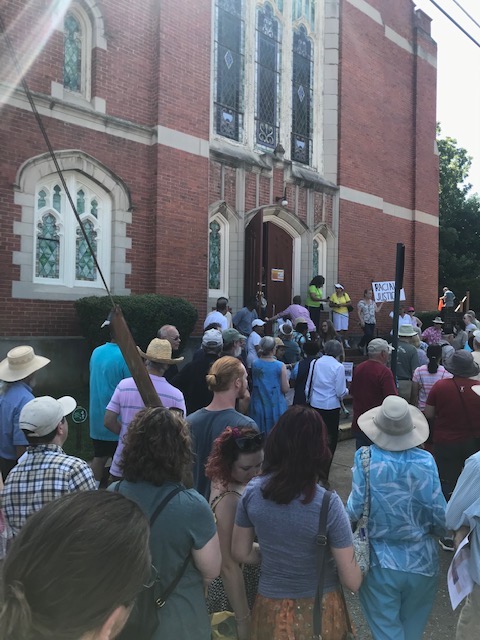
The power of pacifism is its radical rejection of violence in the face of violence. The Nashville movement protected that message with sergeants-at-arms, Patton said. These sentinels enforced silence when it was time for someone like Diane Nash to speak. The sergeants-at-arms also made it clear that the group had nothing to do with any burning and looting, should outsiders be involved in that. The silent march to confront the mayor was in response to the firebombing of the house of one of the movement’s leaders.
“Now just think if we had been looting and burning because our leader’s house had been firebombed.”



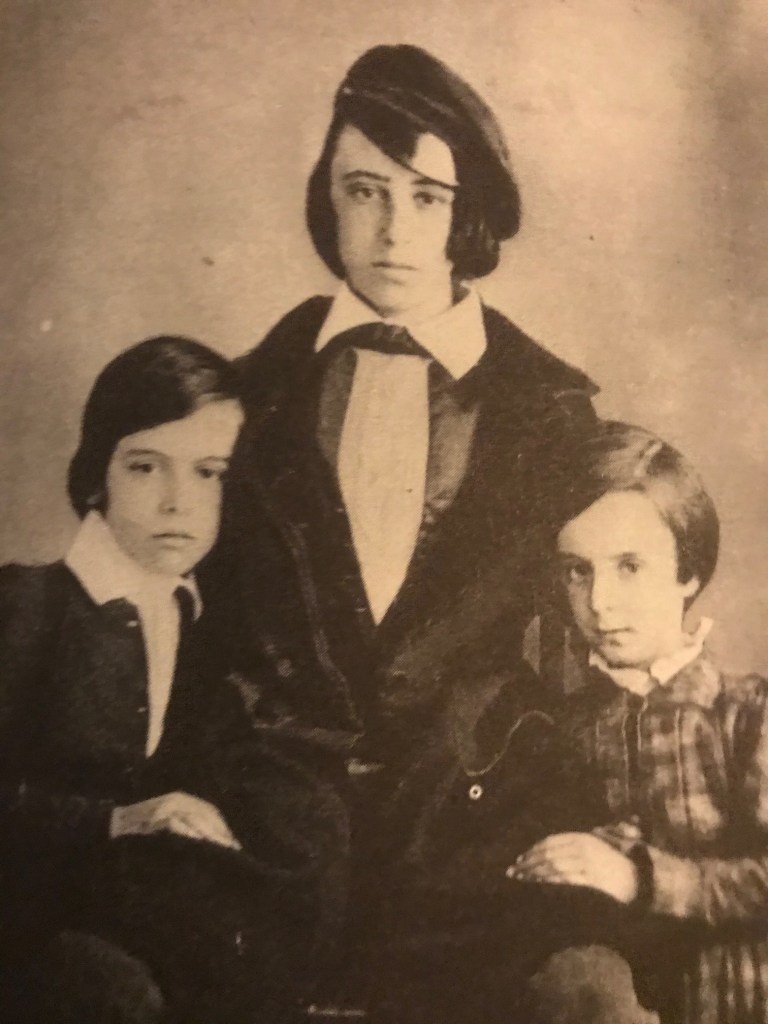
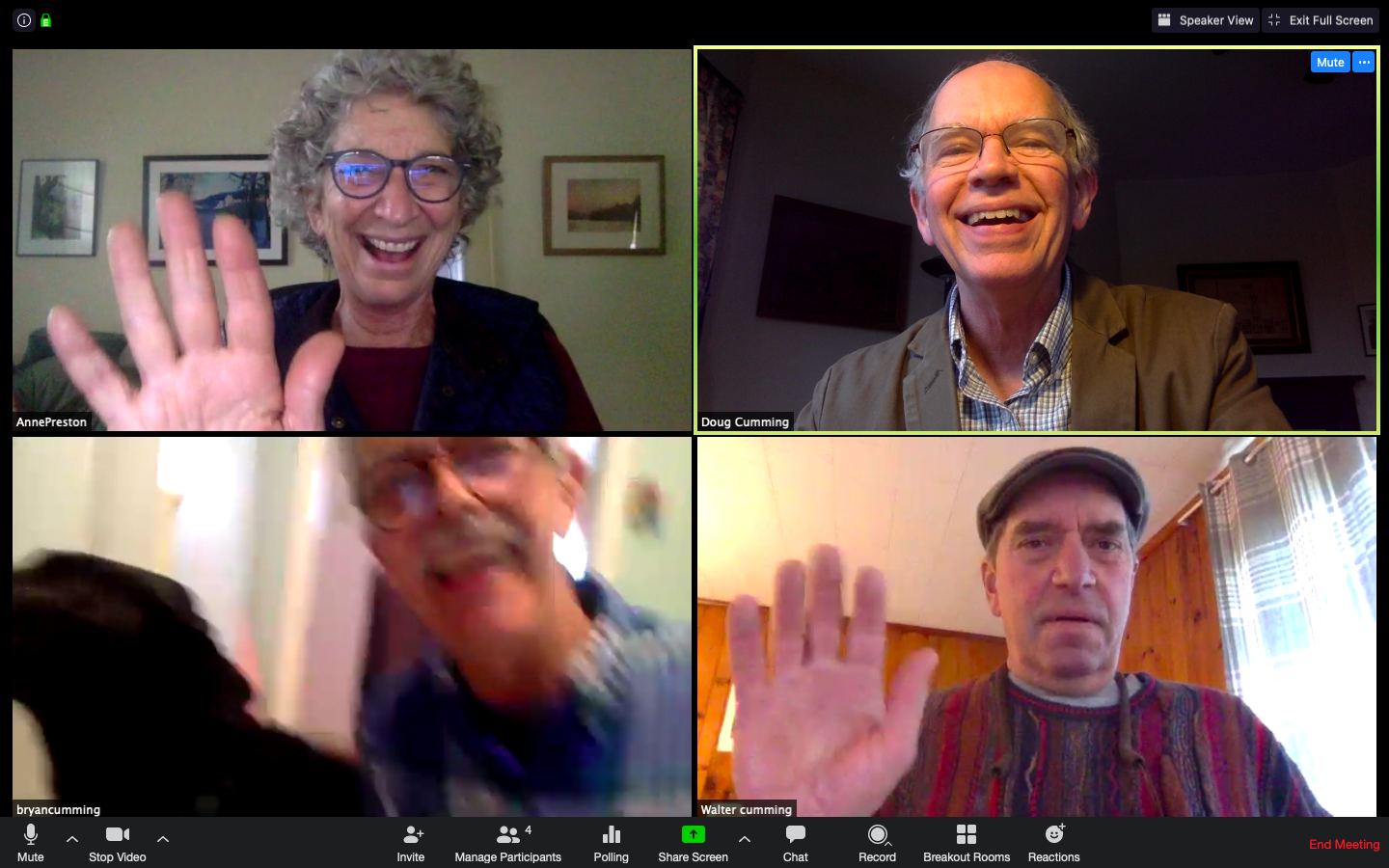 brothers and sisters together, the generations reunited. (Even in the severely locked down nursing-care facilities, we send digital greetings or talk through the “window” of the internet). It seems a natural response to this natural disaster.
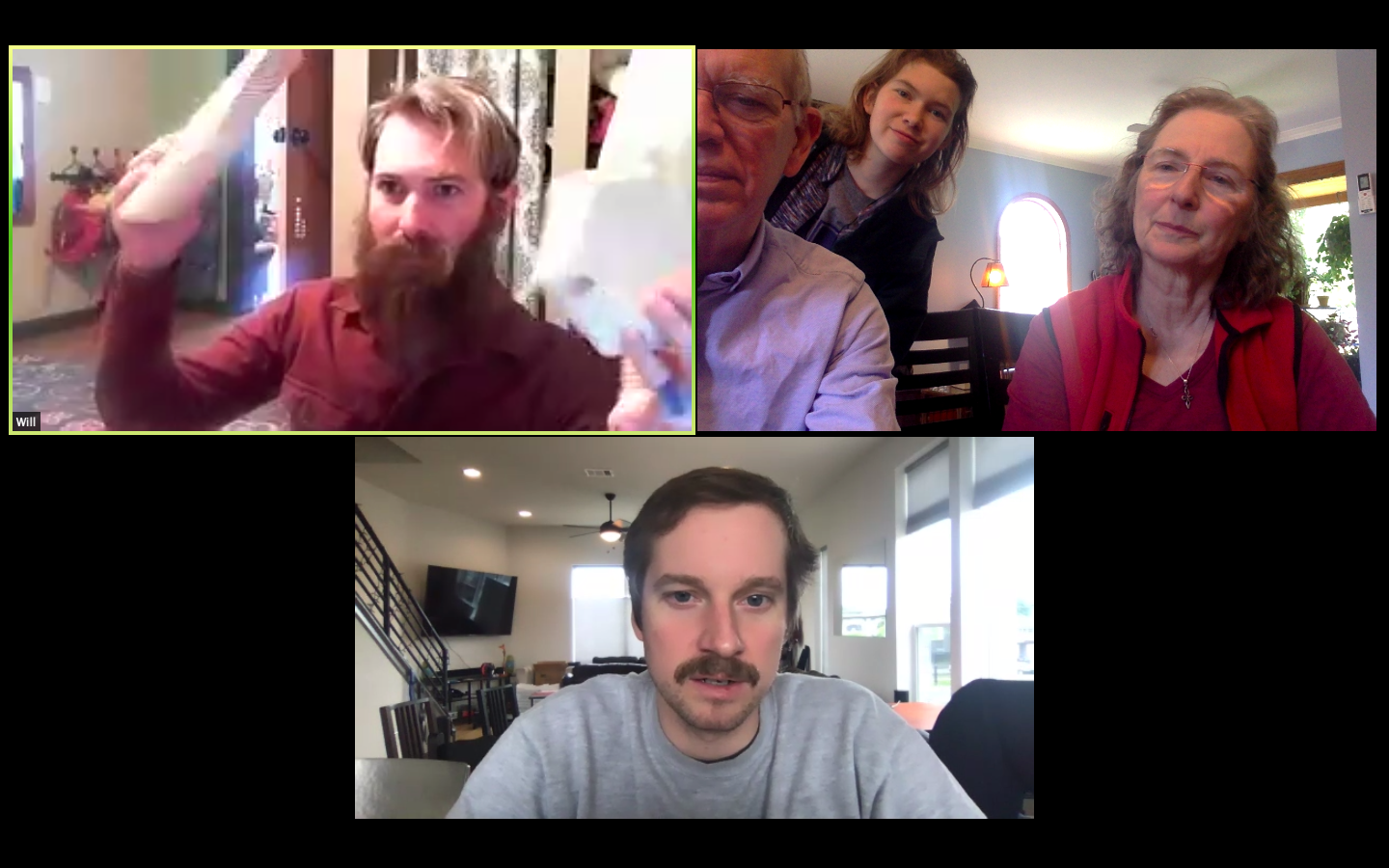 Yesterday, the three of us in this house Zoomed with our son Daniel in Austin and our son William on his farm in Fancy Gap, Va. It was a first Zoom for William, Alyssa and little Avis, the nearly 2-year-old darling star of Alyssa’s Facebook art-photography. We are a family again, and what an amazing threesome – Dan, Will and Sarah Rose. They are so different from one another and yet so bonded together. I loved hearing Daniel and William talk about their work – Daniel is making plastic ventilator masks with a 3-D printer for what sounds like a start-up business, and William showed us his invented “woodstones” cut with his electric miter saw, another possible start-up. It feels like the old form of extended family – where work too was connected with the home and farm and we were all there across the generations.
 Dickerson said that Bowerfind’s name was submitted by a parishioner early in the process. All candidates’ names were first sent to the Rev. Jonathan Harris, a canon with the Episcopal Diocese of Southwest Virginia in Roanoke. Harris narrowed the pool and sent his list to the Call Committee, which winnowed these to several finalists for Skype interviews and other vettings, Dickerson said.
 I was among those who felt the congregation should have time to process the controversy and be listened to. As a mass media professor, I was influenced by pollster Daniel Yankelovich’s book


